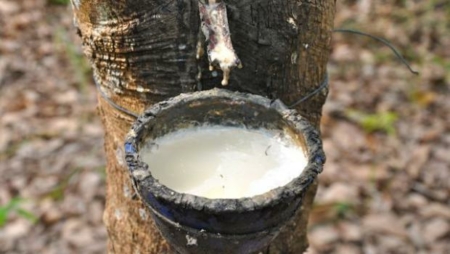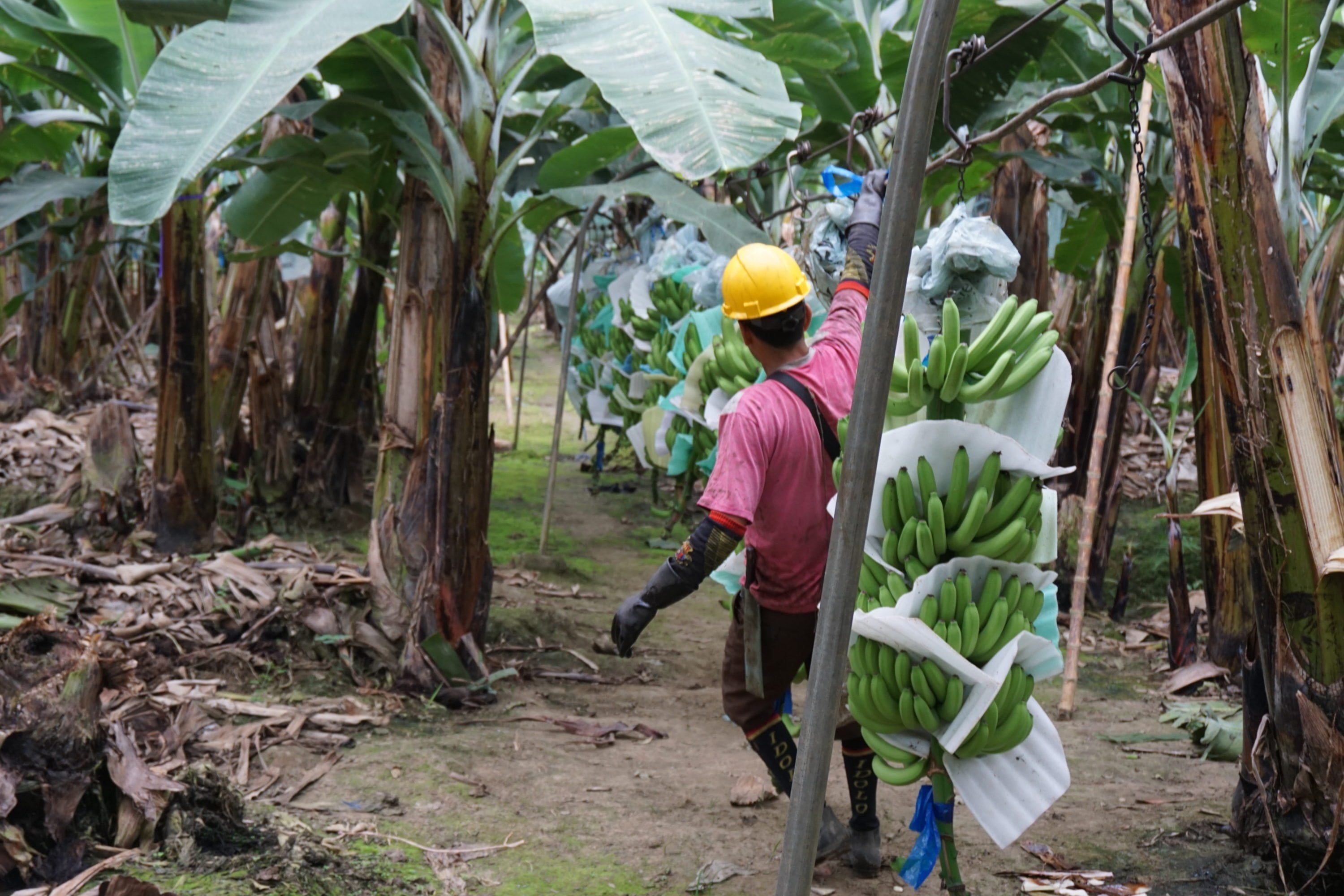
Ecuadorean bananas come from one of three provinces: Guayas, Los Rios and El Oro. The fruit is cultivated here for 9-12 months until it is hand picked and packed by the workers on the banana plantation.
The green bananas are placed in containers that are cooled to under 14ºC in order to delay ripening. Then they are loaded onto cargo ships that take two weeks to cross the Atlantic and reach European ports.
Ecuador is the world’s largest exporter of bananas. Last year, the country exported 6.7 million tons of bananas. Many of them end up in Europe, where in 2016, 1 in 4 bananas came from a plantation in Ecuador.
The major exporters in Ecuador are Chiquita, AgroAmerica, Dole Food, Grupo Wong, Cipal, Fyffes, and the Ecuadorean family-owned business Noboa.
Increasingly, however, large European supermarket chains are circumventing the big fruit companies and buying bananas directly from the plantations.
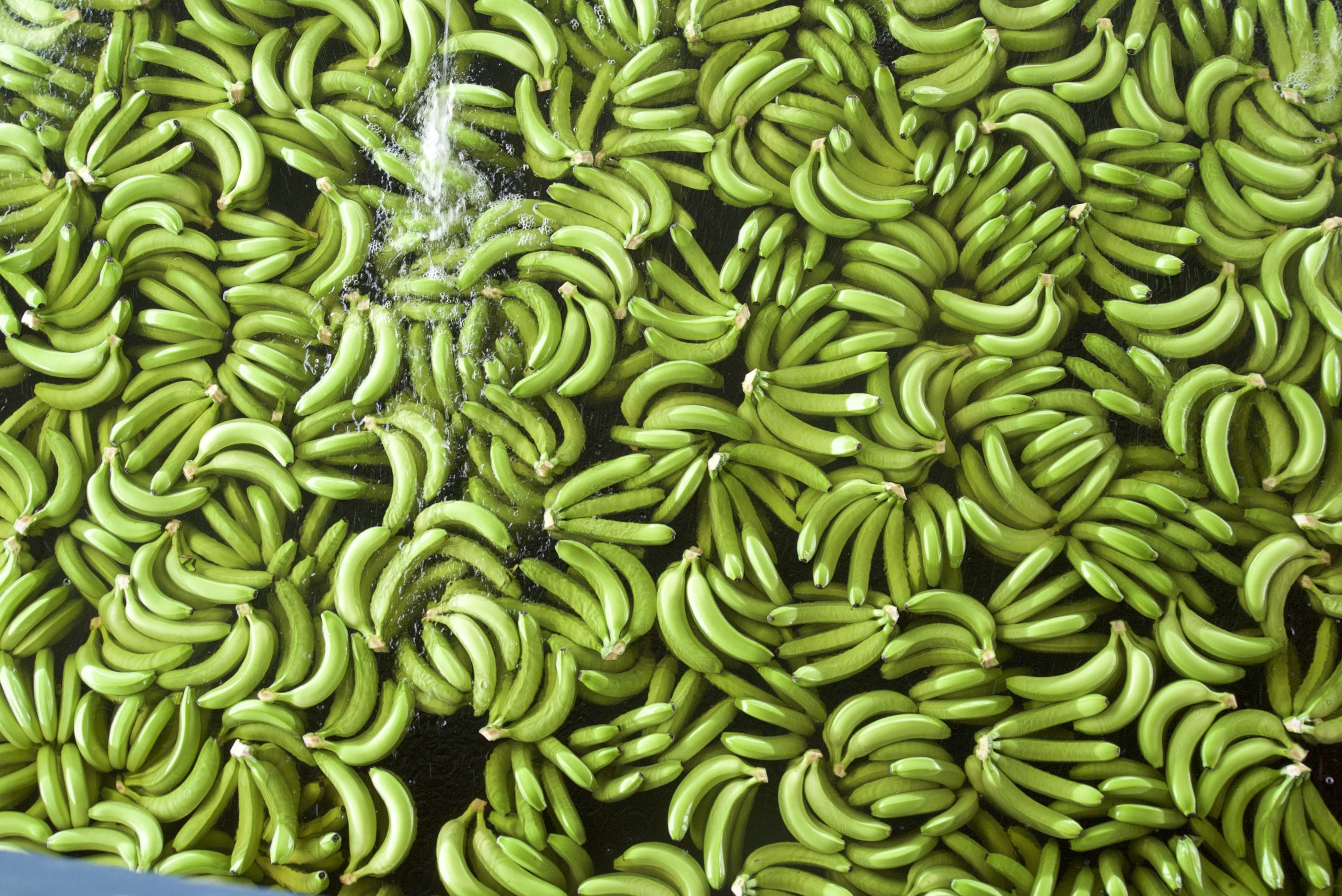
When bananas arrive in European ports, they are still green and unripe. They are placed in ripening chambers for about a week, where ethyl gas turns the bananas ripe and yellow to make them ready for supermarket shelves.
Over half of all bananas travel via Germany before coming to Denmark. A smaller fraction arrives from Holland, Belgium, or other countries.
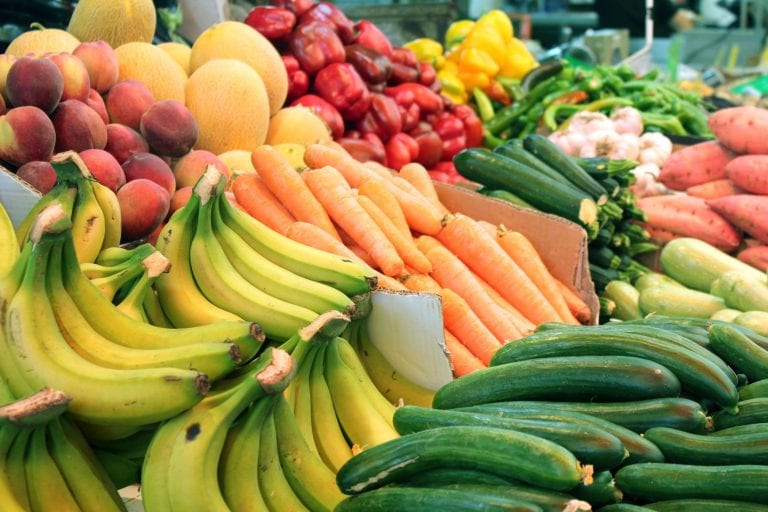
In Denmark, conventionally farmed bananas from Ecuador are sold by the Coop, Dagrofa, Lidl and Aldi chains.
So far in 2017, Coop has bought 379 tons of bananas from supplier Chiquita. Dagrofa, whose supermarkets include Meny and Spar, has sold 19 tons of bananas from Ecuador this year. Lidl and Aldi both sell Ecuadorian bananas, but “for the sake of commercial considerations” preferred not to disclose how many.
Coop, Lidl og Aldi oplyser, at de kun importerer sprøjtede bananer, der er Rainforest Alliance certificerede, hvilket betyder, at de farligste pesticider ikke anvendes.
Rainforrest Alliance oplyser dog til Danwatch at kun to bananplantager i Ecuador rent faktisk er blevet monitoreret i efteråret 2017, da vi besøgte plantagerne.
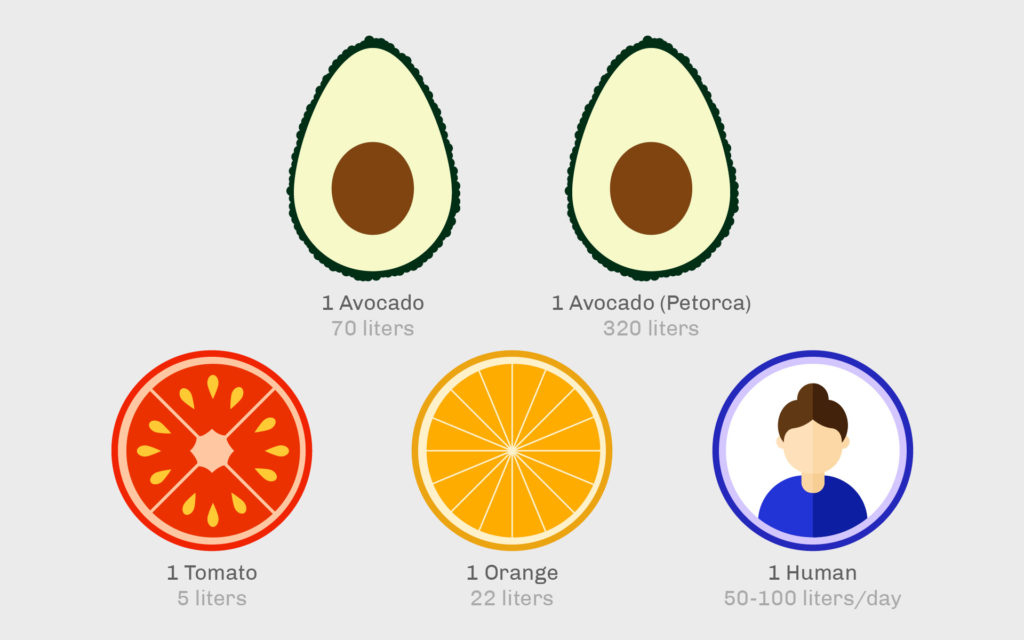
On average, about 283 litres of applied water are required to produce a kilogram of avocados. This is fresh ground or surface water that is applied via irrigation or other methods in order to produce a crop of the fruit, and does not include rainfall or natural moisture in the soil. This means that approximately 70 litres of applied fresh ground or surface water are required to grow one avocado.
Of course, the amount of applied water needed to grow one avocado is dependent on where in the world it is grown.
In the part of Chile from which we typically import avocados (Region 5, which includes Petorca Province) and where over 60% of Chile’s avocados are grown, an average of 1,280 litres of applied fresh water are needed to produce one kilogram of avocados, which means that about 320 litres of applied water are needed grow one avocado.
For comparison, a global average of 110 litres of applied fresh water are needed to produce a kilogram of oranges, so each orange requires about 22 litres of applied water.
To produce a kilogram of tomatoes requires 63 kilograms of applied fresh water, meaning that 5 litres of applied water are needed to grow each tomato.
Human beings, on the other hand, require on average between 50 and 100 litres of water to meet their most basic daily needs, according to the World Health Organisation.
Sources: Water Footprint Network and WHO