
- The Schengen Area was established in 1955. It abolished border checks at EU’s internal borders. This means, for example, that as a Danish citizen, you do not need to show your passport when flying to Italy. The Schengen Area is considered one of the most important initiatives from the EU in terms of European integration. Within the Schengen Area free movement is guaranteed for citizens of all EU Member States. This means that citizens can live, study and work in any of the countries encompassed by the Schengen area.
- Today, the Schengen Area encompasses 26 countries. All EU countries, except for Ireland, Bulgaria, Croatia, Cyprus and Romania, are part of the Schengen Area. However, four non-EU states, Norway, Switzerland, Iceland and Liechtenstein, have joined Schengen.
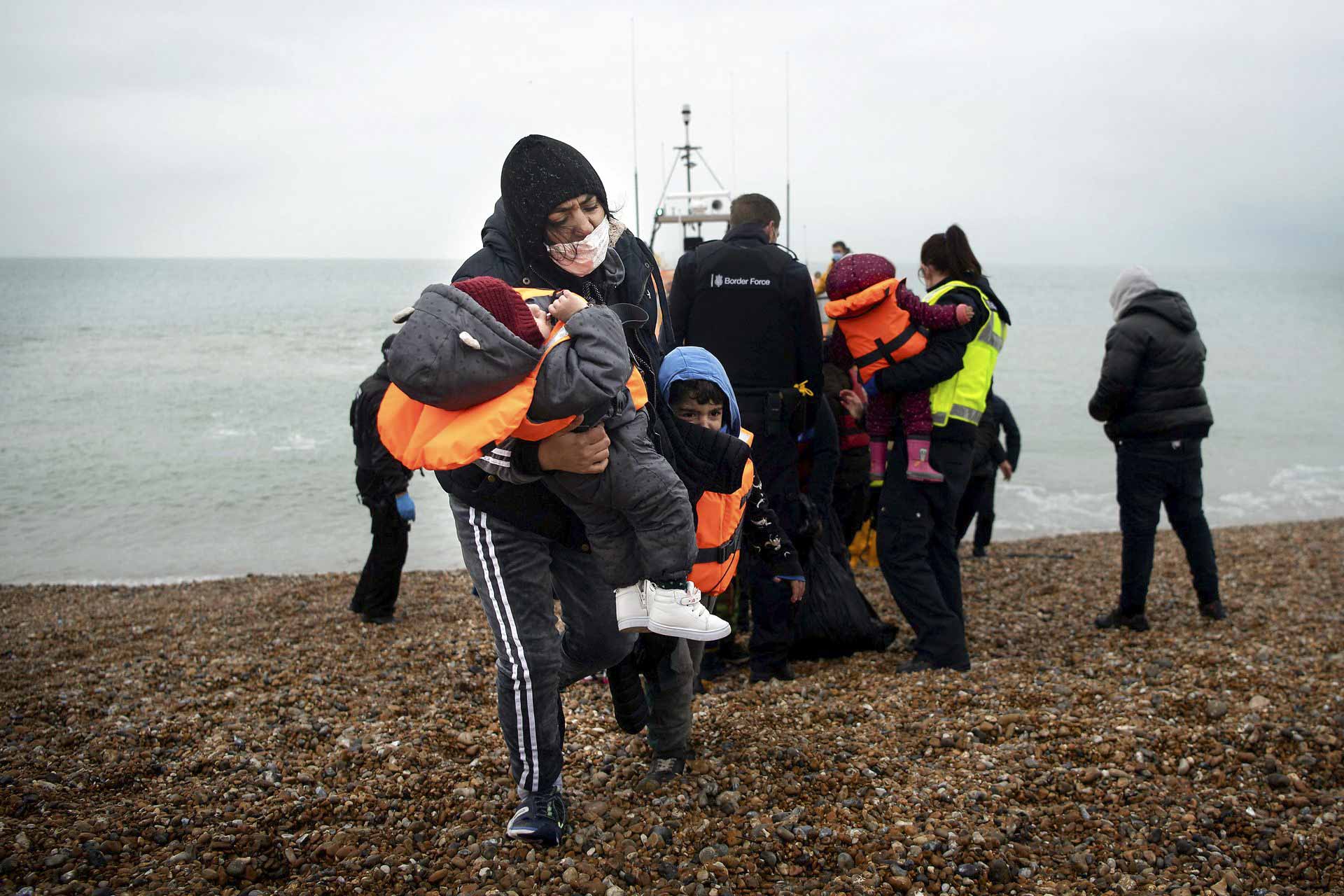
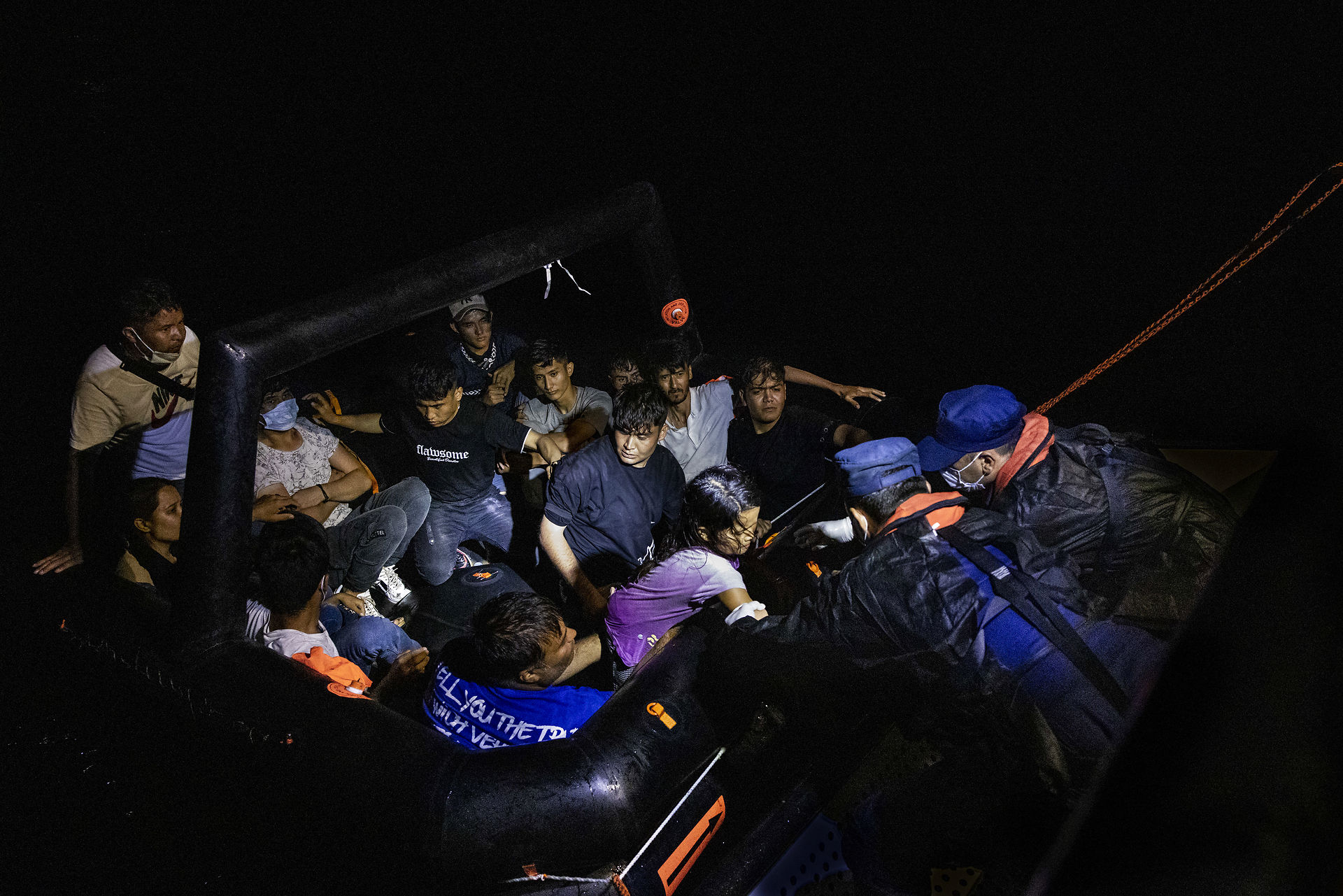
- As a counterpart to the free movement within the Schengen Area, border controls are tightened at the external borders. The Schengen countries therefore agree to establish more or less similar rules in relation to border control, and to increase their cooperation to fight illegal migration.


